
Every major technology shift changes the job market, and AI is no exception. The important
question is not whether work will change, but how workers and companies can adapt.
Tasks vs. Jobs
Most jobs are made up of many tasks. AI tends to automate specific tasks, especially repetitive
or data-heavy ones, rather than replace entire roles overnight. This means many professions will
evolve instead of disappearing.
Skills That Gain Value
Critical thinking, creativity, communication, and domain expertise become more important when
routine work is automated. Technical skills such as data literacy and the ability to work effectively
with AI tools are also in demand.
New Roles Are Emerging
Positions such as prompt designers, AI trainers, data analysts, and automation specialists show
how new opportunities appear alongside change. Many existing roles, from marketing to law, are
also adding AI-related responsibilities.
How to Prepare
Stay curious, experiment with AI tools in your own work, and invest in continuous learning.
Employers can support this by offering training and involving employees in the adoption process.
Final Thoughts
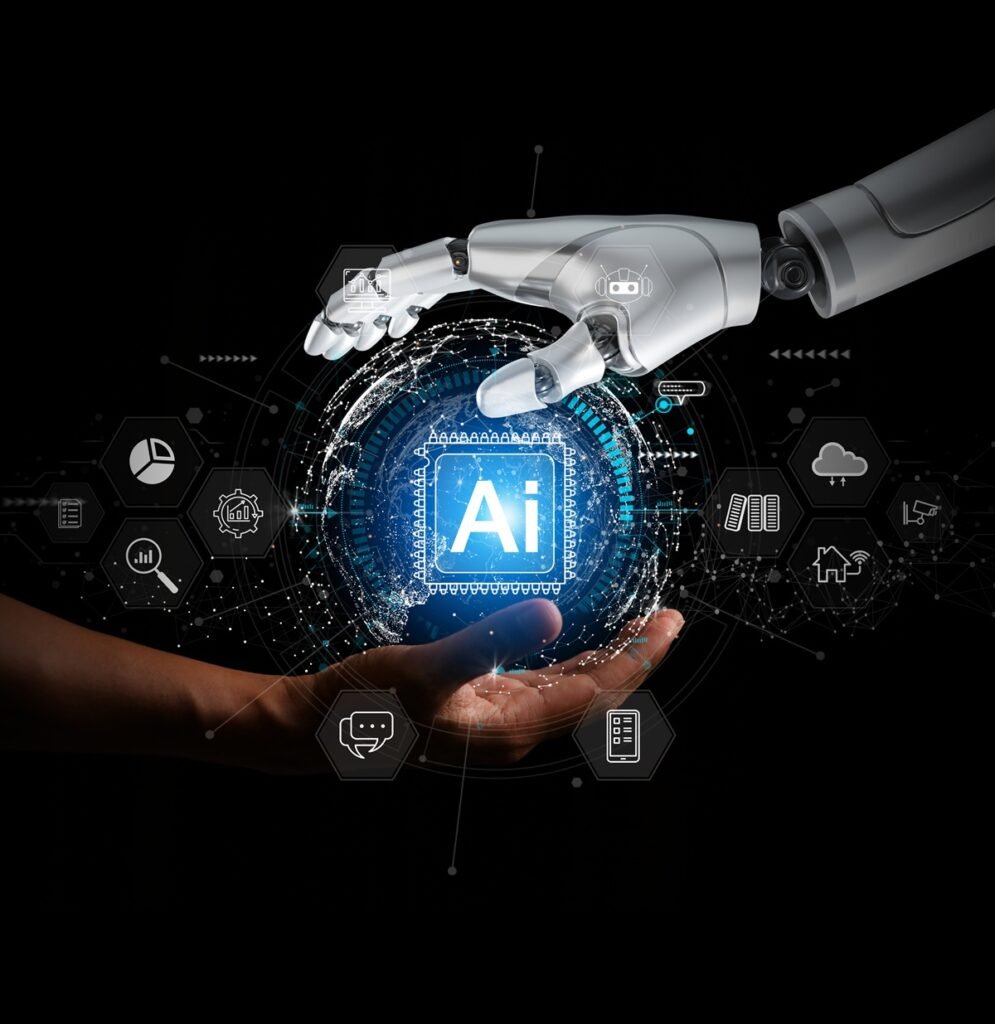
The future of work will belong to people and organizations that treat AI as a partner. Adapting
early is the best way to turn uncertainty into opportunity.