

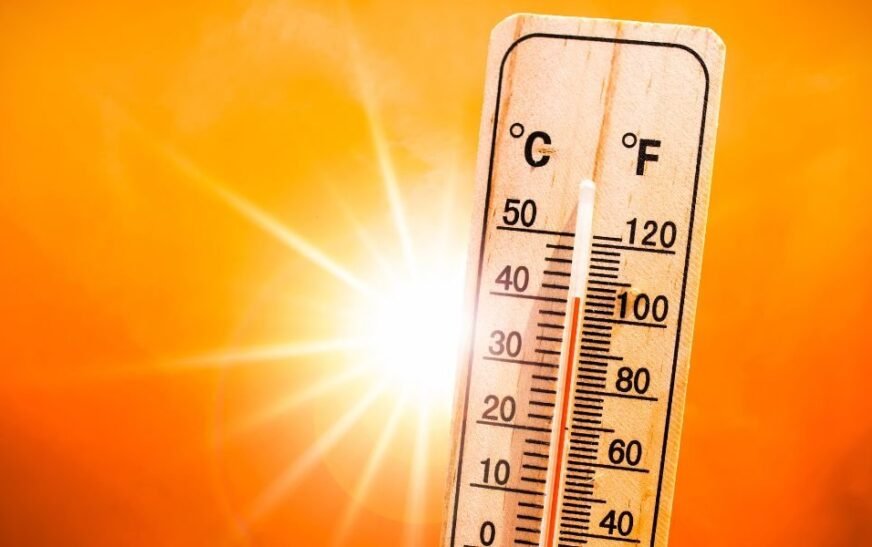
In our rapidly evolving world, where the consequences of climate change are becoming increasingly conspicuous, it is imperative to devise a meticulously crafted hot weather plan to safeguard the well-being and vitality of individuals. The ramifications of extreme heat can pose significant hazards to our physical condition, making it crucial to prepare adequately to minimize the risk of heat-related illnesses. In this all-encompassing guide, we will delineate the essential measures and precautions you should embrace to preserve your health amidst hot weather conditions.
Understanding the Risks of Hot Weather
Hot weather, particularly during the summer months, can elicit a wide array of detrimental effects on our bodies. Heat exhaustion and heatstroke stand out as two prevalent heat-related illnesses that can prove life-threatening if not promptly addressed. Furthermore, prolonged exposure to high temperatures can lead to dehydration, heat cramps, and heat rash. It is of utmost importance to discern the indications and manifestations of these conditions to take prompt and appropriate action.
Creating Your Hot Weather Plan
To ensure your well-being and shield yourself from the perils of hot weather, it is paramount to devise a comprehensive hot weather plan tailored to your specific requirements. Below, we present pivotal steps to incorporate into your plan:
Stay Hydrated
Maintaining adequate hydration is of paramount importance when confronting the adversities of hot weather. It is imperative to consume ample amounts of water throughout the day, even if you do not experience pronounced thirst. Excessive intake of caffeinated or alcoholic beverages should be avoided, as they can exacerbate dehydration. Additionally, incorporating water-rich foods such as fruits and vegetables into your diet can be beneficial.
Dress Appropriately
The choice of appropriate attire can make a significant difference in how your body copes with the challenges of hot weather. Opt for lightweight and breathable fabrics like cotton or linen, as they facilitate air circulation and promote a cooling effect. Donning light-colored garments can also aid in reflecting sunlight, thereby reducing heat absorption.
Shield Yourself from the Sun
Protecting yourself from the sun’s harmful rays is imperative to prevent sunburn and minimize the risk of developing skin cancer. Prior to venturing outdoors, apply a broad-spectrum sunscreen with a high sun protection factor (SPF), and reapply it at regular intervals. Don a wide-brimmed hat and sunglasses to shield your face and eyes from the detrimental ultraviolet (UV) rays. Additionally, seeking shade during the peak sun hours, typically between 10 am and 4 pm, is highly advisable.
Maintain a Cool Indoor Environment
Maintain a cool and comfortable indoor environment assumes great significance when combatting the heat. If air conditioning is available, ensure that it is well-maintained and set to a comfortable temperature. In the absence of air conditioning, leverage fans and open windows to encourage air circulation. Drawing curtains or blinds during the hottest periods of the day can also contribute to a cooler living space.
Schedule Outdoor Activities Wisely
During hot weather, it is crucial to judiciously schedule outdoor activities to minimize heat exposure. Opt for conducting strenuous tasks such as exercise or yard work during the cooler hours of the day, such as early morning or late evening. Whenever possible, take breaks in shaded areas and refrain from prolonged sun exposure.
Regularly Check on Vulnerable Individuals
In the midst of scorching temperatures, it becomes imperative to maintain a vigilant watch over individuals who are susceptible. Whether it pertains to the elderly, young children, or those afflicted by chronic medical conditions, they are more susceptible to enduring the adverse consequences of extreme weather conditions. Hence, it is incumbent upon us, as empathetic members of society, to accord precedence to their well-being and ensure their security.
Conclusion
Stay safe in hot weather. Understand the risks, create a plan, and take necessary measures to protect yourself. Maintain hydration, dress appropriately, shield from the sun, create a cool indoor environment, plan outdoor activities wisely, and check on vulnerable individuals. Preserve your health and vitality.