
As a parent, the provision of a nutritious and healthful diet for your baby holds paramount importance in fostering their growth and overall development. The significance of healthy baby food resonates in its ability to bolster the immune system, facilitate brain development, and promote overall well-being. In this comprehensive guide, we will delve into the indispensability of nourishing baby food, equipping you with invaluable tips and creative ideas to ensure your precious bundle of joy receives the optimal foundation for a vibrant life.
Age-Appropriate Baby Food: A Journey through Stages
Stage 1: Embarking on Solid Foods
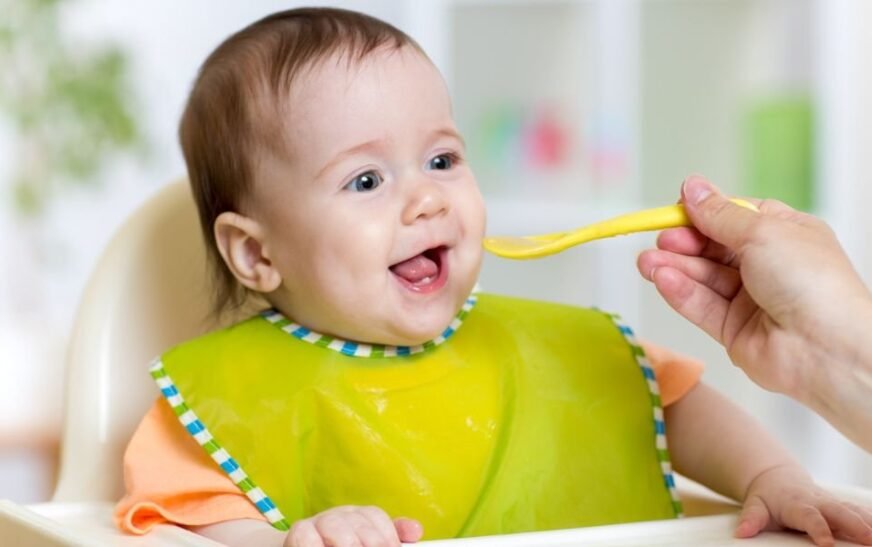
When your little angel reaches approximately six months of age, it becomes opportune to embark upon the introduction of solid foods. This initial stage warrants the inclusion of simple, easily digestible food choices. Some illustrative examples encompass pureed fruits like mashed bananas and steamed carrots.
Stage 2: Expanding Culinary Horizons
Between the seventh and eighth months, babies gradually embark upon a culinary voyage that encompasses an expanded array of food options. This phase welcomes the introduction of finely chopped or mashed cooked meats, softly prepared grains, and legumes in various forms. Furthermore, it marks an ideal juncture to acquaint your little one with finger foods, thereby facilitating their independent exploration of self-feeding practices.
Stage 3: Transitioning to the Family Table
Around the ten to twelve-month milestone, most babies have developed the readiness to partake in the consumption of regular table foods. The dietary landscape should encompass a medley of small, tender pieces of cooked fruits, vegetables, proteins, and grains. Mindful consideration should be given to the textures that align with their developmental stage, progressively introducing them to more complex culinary experiences as they continue to flourish.
Homemade Baby Food versus Commercial Alternatives: Weighing the Options
The quandary of choosing between homemade baby food and store-bought alternatives beckons every parent. Each avenue presents distinct advantages, allowing for a personalized decision based on individual circumstances.
Advantages of Homemade Baby Food
Opting to prepare baby food within the confines of your home confers unparalleled control over the choice of ingredients and flavors that your precious one consumes. It facilitates a more cost-effective approach while also affording the flexibility to tailor the culinary creations to align with your baby’s preferences and dietary requirements. Homemade baby food embodies a labor of love, a testament to your commitment to nurturing your little one’s well-being.
Commercial Options: A Convenient Alternative
On the other hand, commercial baby food products, readily available in stores, present a convenient alternative for time-pressed parents. These pre-packaged choices offer a range of options that cater to diverse dietary needs and provide a hassle-free solution when circumstances dictate a lack of availability or time constraints.
In conclusion, the provision of healthy baby food is an essential aspect of parenting that holds far-reaching benefits for your child’s growth and development. By embracing the appropriate stages of introducing solid foods, expanding culinary horizons, and transitioning to regular table foods, you embark upon a culinary journey that nurtures their overall well-being. The choice between homemade and commercial options entails a thoughtful consideration of the advantages and individual circumstances, enabling you to make an informed decision that aligns with your baby’s needs. May this guide empower you with the knowledge and inspiration to embark upon a remarkable culinary adventure for your little one.